Dog Memory Book: What to Include in Yours
Documenting your dog's life while they are right beside you captures the quiet habits, funny rituals, and milestones that make your household complete.
🐾 Free: what would your dog say about you?
Answer 6 questions →A dog memory book captures the quiet daily routines, hilarious habits, and major milestones that define life with your dog. Building one while your dog is right beside you on the couch lets you document their personality in real time rather than trying to recall details years later. From the specific way they ask for breakfast to their signature sleeping positions, a living dog memories book turns everyday moments into a lasting keepsake.
Short answer: A complete dog memory book typically spans five core chapters: the arrival, early milestones, daily quirks, shared adventures, and family roles. To create a rich record, combine unposed candid photos with specific micro-captions, documented habits, and physical relics like tags or paw prints. You can build a physical scrapbook, organize a digital photo album, or transform your favorite anecdotes into a custom illustrated storybook.

Why building a dog memory book for a living dog changes how you notice daily life
Many people wait until a pet reaches their golden years to start gathering photographs and writing down stories. Starting a personalized dog memory book while your dog is young or in their prime changes how you experience your daily routine. When you actively record your life together, you begin noticing the hyper-specific habits that usually slide by unremarked. You start paying attention to the exact noise your dog makes when they hear the treat cabinet open, or the elaborate three-step spin they perform before settling on their rug.
Documenting life in real time takes the pressure off your memory. Instead of trying to recall what year your rescue dog learned to swim or which toy was their absolute favorite during their second summer, you log those details as they happen. It turns memory keeping into an active celebration of your present home life.
If you want to explore different ways to preserve these moments beyond a standard binder, learning how to preserve memories with your dog can give you fresh ideas for organizing photos, notes, and physical mementos while your dog is happily trotting by your side.
The five essential chapters of a personalized dog memory book
Structuring your dog life story book into clear thematic chapters helps keep your collection organized and makes the writing process approachable. Rather than feeling overwhelmed by hundreds of unorganized smartphone photos, you can collect material for one chapter at a time.
Chapter 1: The Arrival and First Impression
Every household story has an opening scene. This section records the day your dog entered your home, whether they arrived as an eight-week-old puppy tumbling out of a crate or a nervous three-year-old rescue inspecting every corner of the hallway.
- The ride home: Where did they sit? Did they sleep, look out the window, or whimper softly until you rested your hand on their crate?
- The initial tour: What was the first object they sniffed in your living room? Did they claim a specific rug or spot on the sofa immediately?
- The naming story: What names were on your shortlist, and why did their final name end up fitting their personality?
- First night realities: Where did they sleep, and how many times did you get up to check on them?
Chapter 2: Milestone Firsts and Small Triumphs
Growth in a dog’s life is rarely measured by traditional calendars. Instead, it shows up in small behavioral victories and newfound confidence. Documenting these firsts provides a clear record of how your dog adapted to your world.
Record milestones like mastering the back stairs, surviving their first encounter with the vacuum cleaner, or figuring out how to retrieve a tennis ball from under the coffee table. Include early veterinary visits, their first bath in the home tub, and their initial reaction to snow, sand, or rain.
Chapter 3: Quirks, Habits, and Daily Rituals
This is the heart of any book of memories with my dog. Long after generic photos fade into the background, the hyper-specific descriptions of daily weirdness will make you laugh out loud. Many people who enjoy scrapbooking reserve several pages purely for habit logs and daily timelines.
Consider documenting:
- The morning wakeup routine: Do they press their nose directly against your forehead, or do they wait patiently at the edge of the bed until your eyes open?
- The mealtime dance: What is their exact physical routine when they hear kibble hit the bowl?
- Signature sleeping poses: The belly-up sprawl, the tight donut twist, or the chin-rest on the sofa arm.
- Toy hierarchy: Which plush item is their prized possession, and how do they treat it compared to rubber balls or rope toys?
Chapter 4: Road Trips, Trails, and Weekend Adventures
Whether your adventures consist of cross-country camping trips or lazy Saturday afternoons at the neighborhood coffee shop, document how your dog experiences the world outside your front door. Note their behavior during car rides, their favorite hiking trails, and how they react when encountering body-of-water features like lakes or ocean waves.
If you have taken memorable road trips together, create dedicated pages featuring trail maps, scenic candid photos, and short notes on how your dog handled the hotel room or campground tent.
Chapter 5: Family Roles and Household Status
Dogs shape the social dynamic of a home in distinct ways. In this chapter, detail how your dog interacts with different family members, housemates, or visiting friends. If you live with a partner or family, capture the specific roles your dog assigns to each human.
Document who is designated as the soft touch for scraps, who gets the high-energy greeting at the end of the workday, and who is called upon for mid-afternoon belly rubs. If you are documenting your bond as an individual owner, writing a book about me and my dog gives you space to celebrate that close, two-person team dynamic.
Prompts and ideas for your book of memories with my dog
When sitting down to write your memory book, blank pages can feel intimidating. Using focused prompts helps unlock specific anecdotes that reveal your dog’s character.
| Chapter Focus | Core Theme | Specific Writing Prompt | Recommended Artifact or Photo |
|---|---|---|---|
| Chapter 1: Arrival | First Impression | ”What was the first thing my dog did when walking through our front door?” | Adoption tag, ride-home photo, or shelter intake sheet |
| Chapter 2: Firsts | Early Courage | ”What everyday household object confused or scared them at first, and how did they overcome it?” | First park photo, training log, or harness tag |
| Chapter 3: Quirks | Daily Rituals | ”What is their exact, step-by-step reaction when they realize we are heading to the park?” | Candid photo of their signature sleep pose or funny face |
| Chapter 4: Adventures | Shared Journeys | ”Where is my dog’s absolute favorite outdoor spot, and what do they do when we arrive?” | Pressed leaf from a trail, bandanna, or muddy paw photo |
| Chapter 5: Roles | Family Dynamic | ”What specific job or routine has my dog assigned themselves in our house?” | Group photo on the couch or candid morning snuggles |
Photo selection strategies: Capturing real life instead of perfect poses
When compiling a dog keepsake book, the instinct is often to select only pristine, perfectly focused portraits where your dog is sitting politely and looking directly at the camera lens. While one or two formal shots look nice on a title page, candid shots are what truly bring a memory book to life.
The most rewarding photo selections usually feature real-world messiness:
- Action blurs: A photo of your dog mid-zoomie across the backyard, ears flying in opposite directions.
- The awkward sleepy faces: Photos taken when your dog wakes up from a deep nap with squished lips or a tongue sticking out slightly.
- Environmental context: Shots that show your dog in their natural habitat—resting under your desk while you work, staring out the front window at squirrels, or curled up in a pile of clean laundry.
- Detail shots: Close-up photos of their paw pads, the grey fur beginning to show on their muzzle, the unique pattern of spots on their belly, or the notch in their left ear.
If you want creative layout inspiration for pairing candid photos with physical elements, check out these creative dog scrapbook ideas to see how formatting can highlight your dog’s personality.
Writing captions that capture personality rather than photo dates
Captions are what transform a simple photo album into a dog story book. A basic caption tells the viewer when and where a picture was taken. A great caption tells the viewer who the dog is.
Consider the difference between these two caption styles:
-
Generic: “Pepper at the park, July 2023.”
-
Personality-focused: “Pepper spent forty minutes ignoring every dog at the park so she could sit near a family having a picnic, slowly shifting two inches closer every time someone reached for a sandwich.”
-
Generic: “Buster sleeping on the couch.”
-
Personality-focused: “Buster refused his orthopedic dog bed all winter just to wedge himself behind my knees on this couch. He sighs heavily every time I shift position.”
To write expressive captions, focus on motivation, quirky logic, and tiny behavioral details. Describe what your dog appeared to be thinking or planning during the moment captured in the photograph. While we can never know literally what a dog is thinking, framing their expressions in a playful way turns a simple picture into a memorable story.
DIY scrapbooking vs. digital layout: Finding the right path for your dog life story book
When planning your project, deciding on the physical or digital format early will save you time and help you gather the right materials.
A physical DIY scrapbook appeals to owners who love hands-on crafting and want to include physical relics like collar tags, fabric swatches from a favorite blanket, or mud stains from an unforgettable hike. Physical books offer a tactile experience that digital prints cannot match, but they require physical storage space, craft supplies, and a commitment of several hours to cut, glue, and write by hand.
A digital photo book, on the other hand, is clean, durable, and easy to back up. Using digital layout tools lets you upload photos directly from your phone, arrange text boxes with ease, and order high-quality printed hardcovers. Digital layouts are ideal for people who prefer structured pages and want the option to print duplicate copies for family members.
Comparing memory book formats: Traditional, digital, and custom storybooks
Choosing the right style depends on how much time you have, your comfort with crafting tools, and what kind of final keepsake you want to hold in your hands.
| Format Option | Estimated Setup Time | Best Suited For | Key Advantages | Important Considerations |
|---|---|---|---|---|
| DIY Physical Scrapbook | 10 to 15 hours | Hands-on crafters and collectors | Holds real physical tokens like tags, fur clippings, and prints | Takes significant workspace, time, and physical materials |
| Digital Photo Book | 3 to 6 hours | Digital photographers with many photos | Very neat, easy to edit, and can print duplicate copies | Lacks tactile physical tokens unless pockets are added later |
| Custom Digital Storybook | 10 to 15 minutes | Owners who want a completed narrative | Fast creation, artistic illustrations, and instant file backup | Requires digital viewing or printing at home/local shop |
| Hybrid Memory Binder | 2 to 4 hours | Ongoing, living records over years | Flexible; easy to insert new pages as habits develop | Less finished appearance than a professionally bound book |
See what your dog might say about your life together
Before settling on layout choices and writing your formal captions, taking a quick step back to see your daily routine from your dog’s perspective can offer fresh inspiration.
You can complete the free six-question experience on our site in about sixty seconds with no registration required. You answer six quick questions about your dog—their name, what they do when you return home, their favorite weird habit, and what gets them ridiculously excited—and instantly see a short reading of what your dog might say about you. It provides a warm, funny, and surprisingly observant starting point for the captions in your memory book.
How to include physical keepsakes safely in your dog keepsake book
If you opt for a physical scrapbook or hybrid binder, integrating three-dimensional items brings texture and reality to your pages. However, organic items and metal pieces require proper handling so they do not degrade over time or damage neighboring pages.
Preserving collar tags and gear
Old brass or stainless steel rabies tags, shelter identification tags, or worn collar buckles make wonderful additions to an arrival page. To include them without creating heavy bulges that tear the paper, use small clear adhesive pockets or tie the tags through reinforced cardstock grommets using ribbon or twine.
Fur cuttings and paw prints
If you save a small clipping of fur after a grooming session, contain it within a small glassine envelope or a clear acid-free photo pocket attached securely to the page. For paw prints, use non-toxic, pet-safe ink pads or mess-free impression paper that captures the texture of their paw pads without leaving ink on their paws. If your dog exhibits sensitive skin or behavioral hesitation around paw handling, pause the activity and consult a certified trainer or veterinarian for comfortable handling strategies.
Outdoor souvenirs
Items collected during hikes—such as dried leaves, pressed wildflowers, or small bird feathers found along the path—add natural context to adventure chapters. Ensure all botanical items are fully dried before pressing them between acid-free sheet protectors so moisture does not cause mold inside your book.
Turning this into a keepsake
If you want to turn your dog’s unique quirks into a narrative keepsake, you can create a custom digital book. Our Our Story personalized digital storybook ($19, one-time) creates a 10–12 spread illustrated digital storybook starring you and your dog. Built from the details you share and two uploaded photos (one of your dog and one of you), it uses generative AI to craft an illustrated story based on your shared life rather than a strict photographic replica.
Because it is delivered as a high-resolution digital PDF, there is nothing shipped and no waiting on postal delivery. It is a one-time purchase with no recurring subscription. If you prefer shorter keepsakes, you can also explore a custom printable single-page letter with Letter From My Dog ($7) or stylized movie poster graphics with the Dog Movie Poster Pack ($4).
Creative themes to give your dog story book a clear personality
Giving your book a consistent theme helps frame your captions and visual styling. Rather than a plain chronological album, you can ground your pages in a playful perspective that highlights your dog’s dominant trait.
- The Household Inspector: Frame every page as an official investigation report. Document how your dog inspects groceries, audits the kitchen floor for dropped snacks, and conducts perimeter checks along the backyard fence line.
- The Professional Negotiator: Structure your captions around your dog’s endless quest for perks. Detail their tactics for securing extra treats, extending walk times, or claiming the best spot on the duvet.
- The Sidekick Chronicles: Write from the perspective of an inseparable pair. Highlight coffee runs, remote work supervisions, and weekend errands where your dog serves as executive co-pilot.
Using specialized writing prompts like these dog memory journal prompts helps extract specific details for whatever theme you select. If you prefer to turn your collected notes into a structured narrative, learning how to turn your dog into a storybook can guide you through translating real-life habits into engaging storytelling spreads.
Frequently asked questions
When is the best time to start making a dog memory book?
The best time to start is right now, while your dog is active, healthy, and sitting in the room with you. Many owners assume memory books are only created during a dog’s senior years or after they have passed, but building a book during their youth or prime lets you record specific habits, comedic moments, and daily routines in real time without relying on distant memory.
What photos work best for a dog life story book?
While a few posed portraits look great on cover pages, candid photos that capture real behavior carry the most emotional weight. Look for pictures that show your dog’s funny sleeping positions, their reaction when a walk is mentioned, messy post-lake fur, or the way they sit on the couch. Highlighting unposed everyday moments shows their actual personality far better than studio shots.
How do I choose between a physical scrapbook and a digital keepsake?
Choose a physical scrapbook if you enjoy paper crafts, handwriting, and pasting physical items like collar tags or paw print cards onto paper pages. Choose a digital format if you want a clean, fast, space-saving option that can be backed up safely to the cloud or printed in multiple duplicate copies for family members.
What should I write if I do not know my rescue dog’s early life?
If you adopted an adult dog or rescue, embrace the mystery of their early life as part of their story. Dedicate your arrival chapter to the day you met, their initial transformation as they settled into your home, and your guesses about their history based on their unique habits. Focus heavily on the life you are building together today rather than unknown past details.
Can I make a memory book for multiple dogs in the same house?
Yes. You can organize the book with dedicated individual chapters for each dog, followed by shared chapters that highlight how they interact with each other. Document who leads on walks, who steals whose bed, how they share toys, and how their individual personalities balance out the household dynamics.
How do I safely preserve physical items like paw prints or collar tags?
To preserve metal tags without tearing paper, use clear self-adhesive plastic pockets or mount the tags onto heavy cardstock using twine. For paw prints, use non-toxic, pet-safe ink pads or inkless impression cards. Store all organic keepsakes in acid-free sheet protectors away from direct sunlight and moisture to prevent fading or deterioration.
Keep reading
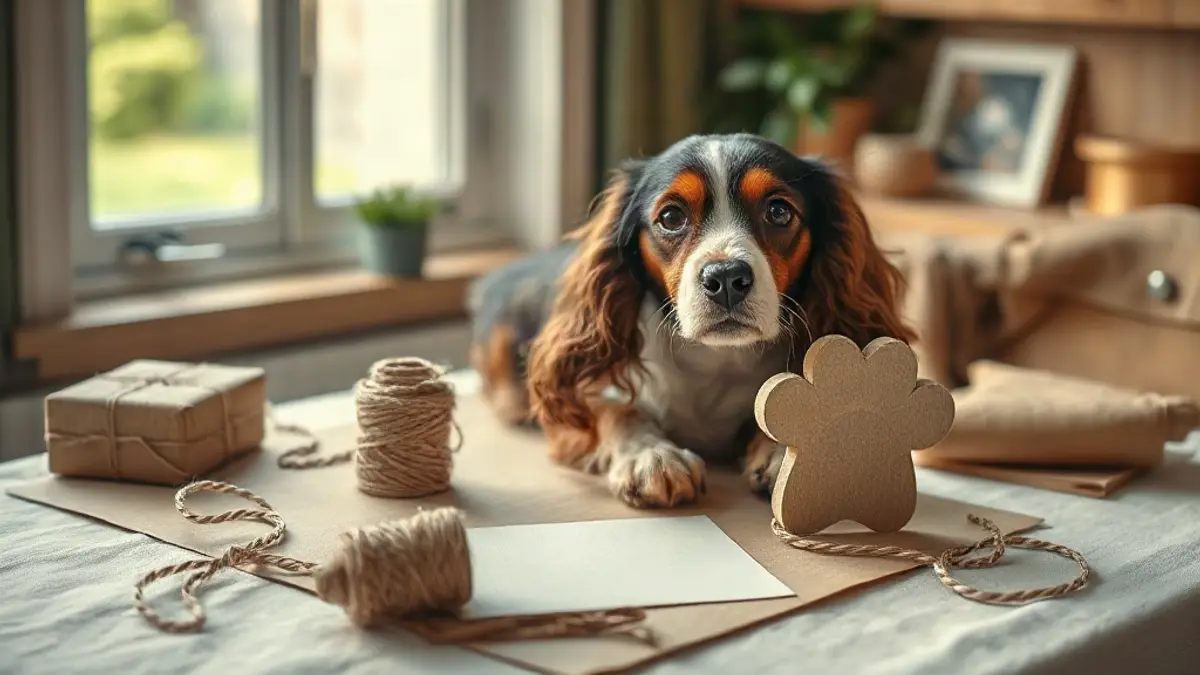
Dog Scrapbook Ideas: Pages Worth Making
Turn scattered photos, worn collar tags, and funny daily habits into a meaningful dog scrapbook that captures your life side by side.

Book About Me and My Dog: Turning Your Bond Into a Story
Learn how custom dog and owner storybooks turn everyday habits, favorite walks, and subtle bond details into illustrated keepsakes.

How to Preserve Memories With Your Dog: 15 Ways
Fifteen simple, creative ways to capture your dog's quirks, routines, and personality before the little everyday details fade.