What Does My Dog Think of Me? A Playful, Honest Look
Science shows dogs view us as secure bases and daily partners. Here is a thoughtful, playful look at what goes on in your dog's head.
🐾 Free: what would your dog say about you?
Answer 6 questions →Your dog views you as their primary anchor, safety zone, and provider of every good thing in their world. While humans cannot read a dog’s mind directly, behavioral science and daily observation show that dogs form strong attachment bonds with their primary caregivers. Through your scent, tone of voice, and daily routines, your dog learns to associate you with safety, comfort, and shared adventures.
Short answer: To understand what your dog thinks of you, look at your daily routines. Behavioral research indicates dogs view their primary humans as secure base figures, reliable resource managers, and trusted companions. While dogs do not think in human words, they associate you with security, warmth, mealtime, and the absolute best parts of their day.
What Science Tells Us About How Dogs View Humans
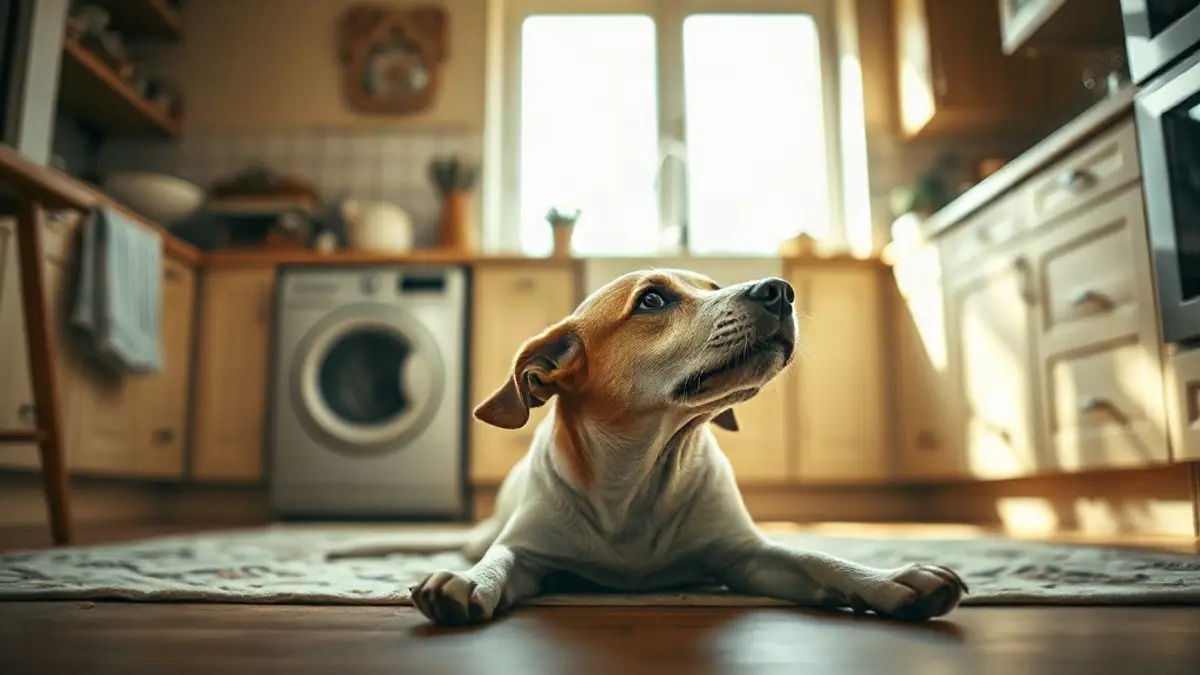
When researchers study the relationship between dogs and their owners, one pattern appears repeatedly: dogs interact with their humans in ways that resemble how human children interact with their parents. Studies in dog cognition and intelligence suggest that dogs use their owners as a safe base. When faced with an unfamiliar object, a sudden noise, or an strange room, a dog will often glance back at their owner before deciding how to react.
This behavior is not accidental. Dogs possess a rare ability among animals to read human facial expressions, vocal inflections, and body orientation. Your dog recognizes your specific smell from feet away, and your presence actively lowers their stress levels in novel environments.
Scientists observe that when a dog looks at their primary caregiver, their brain releases oxytocin, the same chemical associated with nurturing and social attachment in humans. So while your dog might not be contemplating the meaning of life while staring at you from across the rug, their brain is registering comfort, familiarity, and positive association. They do not just see you as an automated food dispenser; they recognize you as the core figure in their environment.
Imagine a terrier mix named Barnaby. When the doorbell rings, Barnaby bark loudly, but immediately checks his owner’s reaction. If the owner steps forward with calm shoulders, Barnaby settles down much faster than if the room feels tense. That subtle check-in shows that your dog constantly relies on your cues to make sense of the world.
How to Read What Does My Dog Think of Me Through Daily Routines
If you want to evaluate what does my dog think of me, start by looking at how your dog responds to your daily patterns. Dogs are master pattern recognizers. They do not read clocks, but they understand the exact sequence of events that leads to a walk, a meal, or bedtime.
Your habits shape your dog’s internal map of who you are:
- The Morning Alarm: Does your dog stretch and press their head into your side the moment your alarm sounds? They likely view you as the cheerful key to a brand-new day.
- The Kitchen Prep: When you open a specific refrigerator drawer, does your dog appear silently at your heel? They view you as the chief distributor of delicious surprises.
- The Workday Routine: When you sit down at your laptop, does your dog settle beneath your desk with a deep sigh? They see you as a predictable, safe resting anchor.
- The Evening Wind-Down: When you grab a blanket on the couch, does your dog climb up to rest their chin on your knee? They view you as their top source of warmth and physical security.
Every small habit creates an expectation. When you keep those expectations consistent, your dog builds deep trust in your presence. They begin to think of you as the person who makes their universe predictable and enjoyable.
The Five Everyday Roles Your Dog Might Assign to You
Dogs do not view humans through a single lens. Depending on the time of day and what you are doing, your dog may assign you several distinct roles within the household.
1. The Safe Harbor
When lightning flashes or a loud motorcycle passes the window, where does your dog run? If they press against your knees or sit under your chair, you are their safe harbor. Being a dog’s safe harbor means your presence actively reduces their fear. If you want to understand if am I my dog’s safe place, look for where your dog retreats when something startles them.
2. The Chief Snack Officer
This is the most obvious role, but it carries deep emotional weight. To your dog, food is not just nutrition; it is a major daily event. When you prepare their bowl, you are performing a ritual of care. Your dog views you as the generous provider who turns an empty bowl into something wonderful twice a day.
3. The Adventure Captain
When you reach for a pair of sneakers or grab a leather leash, your dog’s posture transforms. You become the Adventure Captain, the person who opens the front door and reveals a world full of smells, grass, and novel path options. To an adventurous dog, you hold the keys to the entire outdoor universe.
4. The Comfort Cushion
After a long walk or a active morning, your dog seeks out a place to rest. If they choose your lap, your feet, or the couch cushion right next to your thigh, they view you as their primary comfort source. Many owners ask am I my dog’s favorite person, and physical closeness during rest periods is one of the clearest signs that you hold a special place in their life.
5. The Predictable Anchor
Dogs thrive on routine. You are the person who maintains the rhythm of their life. When you keep meal times, bathroom breaks, and bedtime relatively consistent, your dog views you as a steadying force. This predictability creates a feeling of peaceful ease in your home.
What Does My Dog Associate Me With Beyond Food?
It is easy to joke that dogs only love us for treats, but any long-term dog owner knows that is far from true. When you ask what does my dog associate me with, the answer extends far beyond the food bowl.
Your dog associates you with:
- Your Unique Scent Profile: Your personal scent is comforting to your dog. It is why they love sleeping on your dirty laundry or curling up on your side of the bed when you leave the room.
- Emotional Relief: When you walk through the door after a work shift, your arrival ends their period of quiet waiting. Your return releases built-up anticipation.
- Verbal Tone: Your dog learns the soft, warm tone you use when giving praise. They associate your voice with safety, kindness, and approval.
- Shared Play: The games you invent together—whether it is tug-of-war with an old rope or chasing a tennis ball in the hallway—link your presence to joy and excitement.
Your dog builds a mental catalog of your actions. If you pick up your keys, it might mean a brief departure. If you grab a jacket, it might mean a walk. If you sit on the floor, it almost certainly means cuddle time. Through these associations, your dog constructs a complete picture of who you are to them.
Decoding Body Language: What Your Dog Is Really Telling You
Because dogs cannot speak human language, they communicate their thoughts through subtle physical signals. Understanding these signals helps you read what your dog feels in real time.
If you observe the common signs your dog loves you, you will notice specific body postures that signal deep comfort and affection:
- Soft, Almond-Shaped Eyes: Hard stares indicate tension, but soft eyes with gentle blinking mean your dog feels completely safe in your presence.
- The Lean: When your dog walks up to you and rests their full body weight against your legs, it is the canine equivalent of a warm hug.
- The Deep Sigh: When your dog settles next to you, exhales deeply, and relaxes their body completely, it signals complete peace. They feel secure enough to let down their guard.
- Gentle Tail Wags: A full-body wag that starts at the shoulders and moves all the way down to the tail reflects genuine happiness upon seeing you.
- Bringing You Toys: When your dog greets you at the door with a favorite squeaky toy in their mouth, they are offering a prized possession as a sign of joy.
If you ever notice sudden, drastic changes in your dog’s posture, energy level, or behavioral patterns, it is always a wise step to check in with a veterinarian or a certified professional to rule out medical discomfort or sudden anxiety.
Have you ever wondered what your dog would say if they could express all these habits in plain text? Try the free six-question experience to create a lighthearted, personalized snapshot of your dog’s perspective. It takes about a minute, requires no signup, and gives you a fun look at what your dog might say about your daily lives together.
What Does My Dog Really Think of Me When I Leave the House?
One of the most common questions owners ask is what does my dog really think of me when I pack up my bag and head out the door. Do dogs think we are abandoning them, or do they understand that we will return?
Dogs live primarily in the present moment, but they possess an internal sense of time linked to daily cycles and scent decay. As your scent fades in the house over hours, your dog senses that your arrival is drawing closer. When you leave, most well-adjusted dogs simply rest, sleep, or monitor the perimeter of the home until you return.
If you wonder why your dog follows you everywhere right before you leave, they are likely picking up on your departure routine—stacking your wallet, pulling on your shoes, or grabbing your keys. They are staying close to see if they get to come along on the trip.
If your dog displays severe distress when left alone—such as persistent vocalization, destructive chewing near exit points, or intense pacing—they may be experiencing separation anxiety. In those situations, consulting a qualified dog trainer or veterinarian can help you build a gentle, supportive plan to ease their stress.
For most dogs, your return is the highlight of their day. Their enthusiastic welcome is an honest reflection of relief and happiness. In their mind, the anchor of their household has finally returned.
Does My Dog View Me as a Parent, a Friend, or a Leader?
For decades, dog training culture focused heavily on the idea of pack hierarchy, suggesting that owners needed to act as dominant pack leaders. Modern behavioral science has largely shifted away from this view.
Instead of viewing you as a dominant wolf, research shows that dogs view humans more like family guardians or supportive parent figures. To explore this topic further, reading about what am I to my dog helps clarify how modern domestic dogs truly relate to us.
Here is how those different perspectives compare in daily life:
- The Parent Dynamic: You manage their schedule, provide clean water, ensure their health, and offer comfort when they are scared. Your dog relies on you for security and guidance.
- The Best Friend Dynamic: You participate in active play, share cozy space on the sofa, and engage in fun activities together. Your dog looks to you for social engagement and enjoyment.
- The Guide Dynamic: Through positive reinforcement, you teach your dog how to navigate human environments safely. Your dog looks to you for clear signals on how to behave in confusing situations.
Most owner-dog relationships are a warm blend of all three dynamics. You are part caretaker, part playmate, and part trusted guide.
Comparing Dog Behaviors and Playful Interpretations
To help visualize how your dog’s actions translate into their daily view of you, consider this comparison table of common behaviors and their likely underlying meaning:
| Dog Behavior | What Behavioral Science Suggests | Playful Dog Perspective |
|---|---|---|
| Sleeping with their back against you | Seeking physical protection and warm contact | ”You are my solid wall; nothing can surprise us while we rest.” |
| Bringing a shoe to their dog bed | Seeking your personal scent for comfort | ”This smells like my favorite human, so it stays in my sleeping spot.” |
| Following you into the bathroom | Maintaining visual contact with their safe base | ”You go everywhere with me, so I must guard you in this small room.” |
| Resting their chin on your knee | Gentle attention-seeking and bond reinforcement | ”I am right here, just in case a snack or a chin scratch becomes available.” |
| Nudging your hand with their nose | Soliciting social touch or interaction | ”Your hand was stationary for three seconds, which seems like a mistake.” |
| Waiting by the front window | Anticipating regular daily return schedules | ”The sun is low, which means the person who brings dinner is almost home.” |
Playful Archetypes: Which Dynamic Matches Your Dog?
Every dog develops a unique personality dynamic based on their home environment and breed tendencies. Here are four common archetypes that describe how dogs interact with their humans:
- The Constant Shadow: This dog stays within three feet of you at all times. Whether you are folding laundry or cooking dinner, they are right at your ankles. They view you as their whole world and do not want to miss a single second of your routine.
- The Eager Assistant: This dog wants to help with every household task. When you drop a sock, they pick it up. When you open a delivery box, they inspect the paper packing. They view you as their partner in an ongoing home project.
- The Cozy Couch Companion: This dog prioritizes comfort above all else. They love walks, but their true passion is snuggled against your hip while you watch television. They view you as the ultimate source of warmth and relaxation.
- The Outdoor Pioneer: This dog lives for the trail, the yard, and the dog park. They look at you with bright eyes every time you move near the door, ready for the next adventure. They view you as their fearless expedition guide.
Recognizing which archetype fits your dog makes everyday interactions even more enjoyable. It helps you see the humor and warmth behind their daily habits.
Turning This Perspective Into a Lasting Keepsake
If you love observing your dog’s quirks and wondering what goes through their mind, capturing those details in a permanent keepsake is a meaningful way to celebrate your life together.
At Letter From My Dog, we turn your unique observations into a beautiful keepsake. The flagship Letter From My Dog™ ($7, one-time purchase) is a fully personalized digital letter written entirely from your dog’s perspective. Created from the specific details you share about your daily life—such as their favorite sleeping spots, funny habits, and home routines—it is crafted with the help of generative AI to capture the heart and humor of your bond.
When you order, your keepsake package includes:
- The Main Letter: A detailed, custom letter written as if your dog typed it themselves.
- Our Bond Story: A narrative summary celebrating your unique dynamic.
- The Tiny Things™: A curated list of ten small, specific things your dog loves about life with you.
- More Tail Wags: Thoughtful ideas for bonding activities tailored to your routine.
- Printable PDF & Wallpapers: High-resolution digital files ready to print at home, frame, or set as your smartphone wallpaper, plus a share card for social media.
If you want to explore other formats, we also offer a personalized digital storybook through our personalized dog storybook option ($19) or playful digital movie art with our dog movie posters collection ($4 pack). Every item is generated digitally after purchase, so there is no waiting for physical shipping.
Simple Ways to Build Trust and Strengthen Your Day-to-Day Bond
If you want your dog to view you with even greater trust and affection, focus on simple, consistent actions that fit naturally into your routine:
- Offer Sniffing Walks: Allow your dog time to stop and sniff during daily walks. Sniffing reduces a dog’s heart rate and provides mental stimulation, making the walk far more satisfying.
- Use Clear, Gentle Communication: Keep your training signals consistent. Dogs appreciate knowing exactly what is expected of them without confusion.
- Create Dedicated Quiet Time: Spend ten quiet minutes every evening stroking your dog’s back or gently scratching behind their ears without the distraction of screens or phones.
- Respect Their Personal Space: Learn to read when your dog needs quiet rest. Allowing them to rest uninterrupted builds deep trust.
- Vary Their Toys and Games: Rotate toys weekly or hide kibble in a snuffle mat to keep their brain active and engaged.
Remember to keep all dog safety practices sensible and conservative. Keep toxic foods like chocolate, grapes, and xylitol out of reach, and check with your veterinarian before introducing brand-new diets or starting strenuous new exercise regimens.
Frequently asked questions
What does my dog think about me when I’m sad?
When you feel sad or stressed, your dog picks up on changes in your posture, vocal tone, and even chemical signals in your sweat. Dogs often respond by sitting closer, resting their head on your lap, or offering gentle licks. While they may not understand human sadness conceptually, they recognize that you need quiet comfort and adjust their behavior to be near you.
What my dog thinks of me when I get frustrated?
If you raise your voice or display tense body language, your dog may show appeasement signals like licking their lips, turning their head away, or tucking their tail slightly. They do not view you as bad, but they recognize that the energy in the room has shifted. Responding with calm, soft tones helps reassure your dog that they are safe.
What does my dog feel about me when sleeping nearby?
When your dog chooses to sleep next to you, it indicates high levels of trust and security. In the wild, animals are most vulnerable while sleeping. By settling close to your body or sleeping at the foot of your bed, your dog feels safe enough to let their guard down completely, viewing you as a reliable protector.
Can dogs tell when their owners are having a bad day?
Yes, dogs are remarkably sensitive to human stress cues. They monitor facial expressions, body stiffness, and routines. If you come home tense, your dog might act more subdued or attempt to stay closer to offer comfort. Their response shows how closely attuned they are to your daily emotional state.
Do dogs understand human speech or just tone of voice?
Dogs process both word meaning and vocal tone. While tone carries significant emotional weight, research shows dogs can learn to recognize dozens—sometimes hundreds—of specific human words. When you talk to your dog, they combine the familiar sounds of words like walk, treat, or car with the warmth in your voice to understand what is happening.
How can I tell if I am my dog’s favorite person?
Your dog shows favoritism through clear behavioral preferences. If they follow you from room to room, seek you out first during stressful moments, make frequent soft eye contact, and choose to sleep near your body, you are very likely their favorite person in the home.
Keep reading
What Am I to My Dog? Parent, Friend or Safe Place
From quiet morning routines to wild reunion wags, here is how to read the playful roles you play in your dog's daily life.
Am I My Dog's Favorite Person? Signs to Look For
From greeting rituals to quiet resting spots, here is how dogs choose their favorite human—and how to read the subtle signs.
Signs Your Dog Loves You (and Trusts You)
Your dog cannot say 'I love you' in words, but their body language, sleep spots, and walk check-ins reveal how deeply you are connected.