Letter From Rescue Dog: Writing an Adopted Dog's Story
Writing a letter from an adopted dog captures the quiet journey from hesitant newcomer to cherished family member.
🐾 Free: what would your dog say about you?
Answer 6 questions →Writing a letter from a rescue dog captures the quiet transition from uncertain newcomer to full-fledged family member. Rather than inventing a past you cannot know, the best adopted dog stories focus on observable moments of trust, daily habits, and the exact day home became home. A personalized keepsake honors the real memories you have built together while giving a playful voice to your companion’s perspective.
Short answer: A letter from a rescue dog translates everyday milestones—the first night, the moment trust appeared, and shared routines—into a heartfelt perspective from your dog. By focusing on real details you observed rather than fictional background, you create a meaningful keepsake that celebrates your adopted dog’s true journey into your home.
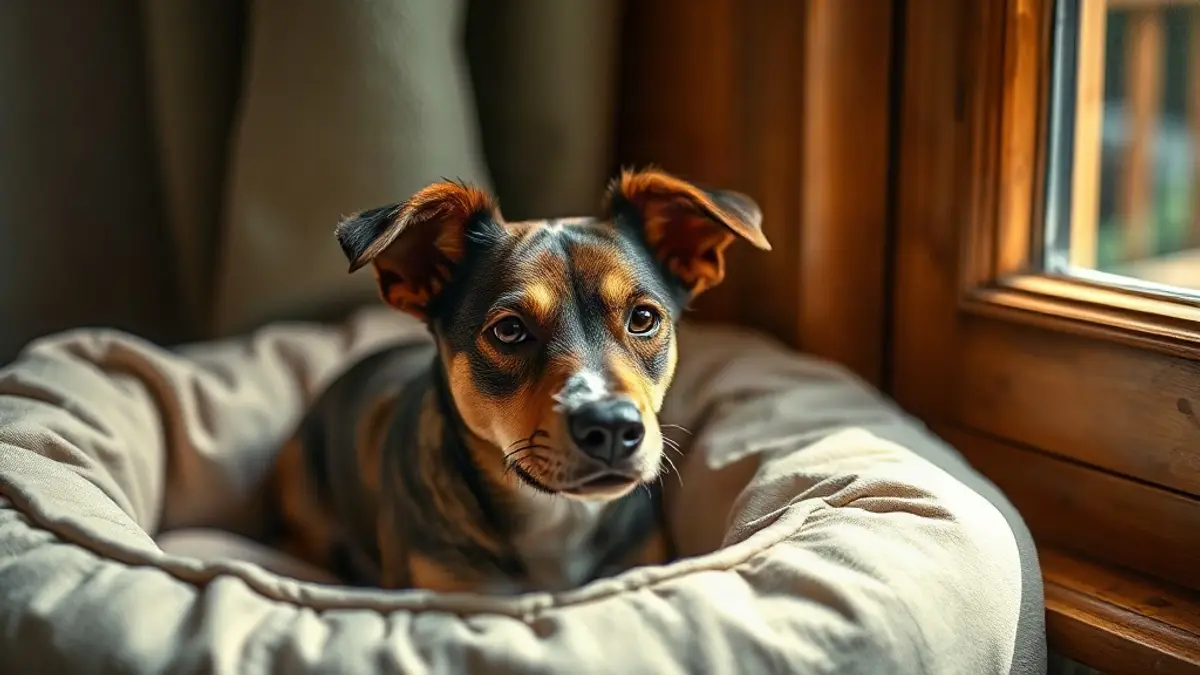
What Makes a Letter From a Rescue Dog So Meaningful
When you bring an adopted dog into your house, the story does not start with a birth certificate or a breeder pedigree. It begins on the day you met. Every adopted dog brings a unique personality that unfolds slowly, week by week, like a gift wrapped in several layers of paper.
Writing a letter from rescue dog perspectives gives form to that subtle unfolding. It allows you to step back from the daily routine of walks, vet visits, and food bowls to celebrate how far you have both come. When owners create a keepsake letter, they often notice small details they had forgotten: the way their dog hovered near the kitchen doorway for the first three days, or the exact afternoon they finally jumped onto the couch uninvited.
A thank you letter from dog perspective is not about projecting human guilt or dwelling on sadness. Instead, it offers a hopeful, playful lens on your shared life. It highlights the humorous quirks that make your dog distinct—like resting a chin on your knee during dinner preparation or dragging an oversized slipper across the rug just to sit on it. Capturing these habits creates a lasting snapshot of safety and connection.
Writing What You Know: Focus on Real Memories, Not Invented Past
One common pitfall when writing a letter from dog I rescued is trying to imagine a tragic history. You might wonder where your dog lived or why they ended up in a shelter, but guessing sad backstories often makes the written keepsake feel heavy or overly dramatic.
The most grounded approach is to write strictly what you observed. You do not need to guess what happened before you met. You only need to remember the real details of your time together. The process of pet adoption is built on creating a new chapter, and your dog’s perspective naturally shines brightest when focused on the present.
Focus on observable habits and milestones instead:
- The first time they let out a deep, relaxed sigh on their dog bed.
- How they react to the sound of the treat jar opening.
- The specific spot in the yard they chose as their sunbathing station.
- Their ritual when you come home from work, whether it is a full-body wiggle or carrying a shoe around the room.
If your rescue dog shows sudden changes in behavior, extreme fearfulness, or signs of physical discomfort, it is always best to consult a veterinarian or a certified professional rather than making assumptions about their emotional history.
Capturing the First Days: From Caution to Curiosity
The early days after adoption are filled with quiet observation. Everything in your house is brand new to your dog: the scent of your laundry, the hum of the refrigerator, the wood floor that might feel slippery under foot. Writing about these initial moments adds rich contrast to a letter from adopted dog narratives.
Think back to the afternoon you brought them through the front door. Did they walk in cautiously, sniffing every baseboard, or did they trot straight to the living room carpet and lie down? Many dogs take days or weeks to settle in completely. In a letter, you can playfully frame this adjustment period from your dog’s point of view.
For example, your dog might write about the mystery of the vacuum cleaner, or how they initially thought the hallway mirror contained an intruder. You can record how they watched you from across the room, slowly realizing that every time you moved toward the kitchen, good things happened. These early observations build the foundation for a story about growing trust.
The Moment Trust Showed Up
Trust in a rescue dog rarely arrives all at once. It shows up in tiny, everyday gestures that an observant owner picks up on over time. When drafting a thank you letter from adopted dog, highlighting these subtle shifts makes the letter feel authentically yours.
Consider these common moments when trust quietly makes its appearance:
- The Leaning Shoulder: Your dog stands next to you while you tie your shoes and leans their entire body weight against your shins.
- Uninterrupted Sleep: They roll over onto their back on the rug, exposing their belly in deep, restful sleep because they feel completely secure.
- The Toy Gift: They bring you their favorite worn-out rubber toy, not necessarily to play fetch, but simply to hold it near your feet.
- The Gentle Eye Contact: They look up at you when you say their name, soft-eyed and relaxed, without needing a treat as incentive.
Describing these exact moments gives your letter genuine weight. It turns a generic pet tribute into a specific record of how your relationship was built day by day.
Comparing Milestones: The Early Days Versus Today
To help visualize how your adopted dog’s story develops, it can be useful to contrast their early behaviors with their current personality. This shift forms the emotional arc of your narrative.
| Timeline Stage | Common Rescue Behaviors | What It Likely Suggests | Memory to Note in Your Letter |
|---|---|---|---|
| Day 1: Arrival | Hesitant steps, standing near exits, sniffing edges | Mapping a new space and checking for safety | The precise corner they selected for their first nap |
| Week 1: Adjustment | Following closely from room to room, watching hands | Seeking reassurance through predictable human movements | The first time they took a biscuit gently from your fingers |
| Month 1: Settling In | Testing household routines, relaxing posture | Growing confidence in daily schedules and expectations | The first spontaneous tail wag when the leash appeared |
| Month 6: Belonging | Initiating play, claiming specific couch cushions | Complete comfort and a sense of shared ownership | Their unusual sleeping posture on the middle cushion |
| Year 1 and Beyond | Vocal greetings, firm daily expectations | Full integration into family life and deep familiarity | The unique way they request breakfast three minutes early |
Looking at these stages helps remind you of the subtle wins that define your rescue dog’s story. Each row represents a step forward in confidence and comfort.
How to Write a Thank You Letter From an Adopted Dog
If you want to write a letter yourself, structuring the narrative keeps it focused and entertaining. Here is a reliable five-step framework for drafting a letter from rescue dog owners will treasure:
- Acknowledge the Beginning: Open with a lighthearted reference to the day you met. Mention the ride home, the shelter hallway, or the first walk around the block.
- Describe the First Comfort: Mention the specific object or spot that made them feel safe—a fuzzy blue blanket, the spot under the dining table, or a particular dog bed.
- Call Out Funny Habits: Highlight two or three absurd quirks that only you know about. Do they sneeze when they get excited? Do they demand a slice of apple every time you pull out the cutting board?
- Mention Your Shared Routine: Include the moments that define your daily rhythm together, such as the afternoon walk, the post-dinner stretch, or late-night kitchen checks.
- End With Simple Gratitude: Close with a warm, straightforward thank you for adopting me letter sentiment that focuses on home, safety, and future treats.
Keep the tone conversational and light. You are writing from the perspective of a dog who is genuinely thrilled about their present life, complete with extra scraps and soft places to sleep.
What Would Your Dog Say About You?
If you want a fun, simple way to see your rescue dog’s thoughts brought to life, try answering six quick questions about your life together. It takes about one minute to complete the free six-question experience, which requires no account signup. You enter a few specific details—like your dog’s favorite habit, what gets them wildly excited, and your fondest memory—and receive a personalized preview showing how your dog might describe their home with you.
Gotcha Day and Beyond: Timing Your Adopted Dog’s Letter
Many rescue dog owners choose to write or frame a letter to mark a specific anniversary. The term “Gotcha Day” has become a popular way to celebrate the anniversary of an adoption. Creating a letter on this date turns an ordinary weekend into a meaningful celebration of your time together.
If you are looking for ideas on how to mark this occasion, exploring Gotcha Day gift ideas can help you pair a custom letter with fun traditions like a dog-friendly cake or an extended hike. For dogs adopted as young pups, reviewing welcome-home gifts provides inspiration for capturing early puppyhood memories alongside adoption stories.
Other great times to draft a letter include:
- The One-Year Mark: A perfect time to reflect on how much your dog’s confidence has grown since adoption day.
- Birthdays or Estimated Birthdays: Many shelters estimate a dog’s age, making adoption anniversaries a dual celebration.
- Holidays: Inclusion in family holiday cards or framed prints near the front door.
- Just Because: You do not need an official date to write down the small things your dog does that bring you joy.
Capturing Your Dog’s Voice: Warmth, Humor, and Gratitude
Finding the right voice for a rescue dog keepsake involves balance. You want the letter to feel sweet without becoming overly sappy, and funny without turning into a joke at your dog’s expense. The key is leaning into concrete, everyday details.
Instead of writing general statements like “I love you so much,” ground the thought in an action: “I love that you pretend not to notice when I nudge your hand off the keyboard so you will pet my ears.” Concrete details make the writing resonate because they reflect real life.
Here are three voice styles you can use depending on your dog’s personality:
- The Enthusiastic Assistant: Ideal for dogs who follow you everywhere, supervise bathroom visits, and treat every doorbell ring like an urgent executive meeting.
- The Gentle Philosopher: Best for quiet, observant rescue dogs who spend hours watching out the front window and prefer slow belly rubs over high-energy fetch.
- The Food Negotiator: Perfect for dogs whose internal clock is precise to the second when it comes to dinner, dental sticks, or cheese crusts.
Matching the letter’s voice to your dog’s actual demeanor makes the final text feel authentic and funny.
The Little Details That Reveal Your Dog’s Personality
When writing a thank you from rescue dog narrative, the best lines come from small, specific observations. Think about the unique behaviors that make your friends say, “That is such a typical thing for your dog to do.”
Here are detailed examples you might include in your own draft or keepsake:
- The Morning Stretch Routine: The downward dog position accompanied by a low sigh or a slight squeak before stepping off their bed.
- The Favorite Nap Location: Choosing to lie directly on the bathmat or across the bridge of your ankles while you watch television.
- The Leash Reaction: Spinning in two tight circles, grabbing a nearby toy in excitement, or sitting perfectly still with intense focus.
- The Kitchen Helper Routine: Sitting quietly behind you while you chop vegetables, holding out hope that a piece of carrot or bell pepper falls.
- The Bed Claiming Technique: Slowly expanding from a compact circle into a full sideways stretch until they take up two-thirds of the mattress.
Gathering these specific habits ensures your letter from rescue dog keepsake feels like a true reflection of your unique household.
Framing the Story for Gotcha Day Gifts and Keepsakes
A custom letter makes a thoughtful gift for family members, partners, or friends who have welcomed a rescue dog into their lives. If you are exploring broader dog keepsake ideas, combining a written letter with a frame or photo board creates a meaningful display piece.
To make the presentation special, consider these display ideas:
- Framed Print: Print the letter on high-quality matte paper and frame it alongside your dog’s very first adoption photo and a recent photo.
- Memory Box Accent: Tuck the letter inside a wooden keepsake box containing their original shelter collar, adoption paperwork, and first favorite toy.
- Scrapbook Anchor: Use the letter as the opening page of an adoption scrapbook, followed by photos organized chronologically from month one to present day.
Giving a keepsake that honors a rescue dog’s journey reminds everyone in the house of the simple joy that comes from opening your door to an adopted pet.
Turning Your Rescue Story Into a Lasting Dog Keepsake
If you want to turn your real memories into a beautifully polished narrative without writing everything from scratch, Letter From My Dog™ offers a simple way to create a digital keepsake.
By answering a few quick questions about your adopted dog’s habits, funny routines, and trust milestones, you receive a custom, full-length keepsake created from the details you share, with the help of generative AI.
The Letter From My Dog™ product ($7, one-time) includes a personalized full letter written from your dog’s perspective, Our Bond Story, 10 Little Things Your Dog Probably Loves About Life With You, The Tiny Things™, More Tail Wags bonding ideas, A Memory Worth Keeping, a high-resolution printable PDF, a phone wallpaper, and an Instagram story share card.
If you want to explore other keepsakes, you can also check out the personalized dog storybook ($19) for an illustrated narrative experience, or the Dog Movie Poster Pack™ ($4) to turn your dog into the star of their own film poster. All options are digital-only products generated after purchase, with no subscriptions or physical shipping involved.
Frequently asked questions
How do I write a letter from my rescue dog if I don’t know their history?
Focus entirely on the life you have shared since adoption day. You do not need to invent details about their background or guess what happened before you met. Write about their first night in your house, the moment they settled into their favorite bed, their favorite treats, and the daily routines you enjoy together today.
What is a good Gotcha Day message from a dog?
A great Gotcha Day message highlights progress, shared humor, and safety. Keep it focused on real habits: thank your human for soft couches, predictable dinner times, patient walks, and endless head scratches. Expressing contentment through the dog’s perspective makes the message feel warm and uplifting without needing dramatic flair.
Should a rescue dog letter be emotional or funny?
The best letters blend gentle warmth with playful humor. You can acknowledge the quiet significance of adoption while keeping the primary tone lighthearted. Focus on funny traits—like begging for crusts or stealing socks—alongside sincere appreciation for having a safe place to sleep and a dedicated human companion.
Can I make a rescue dog letter as a gift for someone else?
Yes, a custom letter from an adopted dog makes an exceptional gift for a partner, family member, or friend. You simply gather a few of their dog’s specific habits, favorite nap spots, and funny quirks, and use those details to generate or write a customized piece that honors their adoption journey.
How long should a keepsake dog letter be?
A keepsake letter works best when it is long enough to include specific details but concise enough to frame easily. Aim for roughly 300 to 600 words if you plan to print and frame it on a wall, or longer if it is part of a memory book or storybook collection.
How do I handle behavioral struggles in a rescue dog story?
Keep the tone light and hopeful. Frame minor quirks playfully—such as barking at the mail carrier or hogging the bed—while avoiding detailed accounts of severe fear or stress. If your dog experiences severe anxiety or behavioral challenges, consult a certified professional or veterinarian for practical guidance.
Keep reading
Gotcha Day Gift Ideas to Celebrate Your Adopted Dog
Celebrate the exact day your rescue dog entered your home with meaningful, personalized gift ideas that honor every quirky habit.
Thank You Letter From Dog: What Your Dog Is Grateful For
When you look past training and feeding routines, a thank you letter from your dog reveals how deeply they notice the simple comforts of home.
New Puppy Gift for Owner: Welcome-Home Ideas
From immediate household survival gear to sentimental keepsakes that capture early memories, here is how to choose the right gift for a new dog owner.